
Most people are taught that breakfast should be eaten immediately after waking up. For decades, society has been told that breakfast “boosts metabolism,” improves energy, and prevents overeating later in the day. However, modern chrononutrition and fasting research now suggest that the timing of your first meal may have a major influence on fat burning, insulin regulation, metabolic health, and long-term body composition.
1. Your Body Enters a Natural Fat-Burning State Every Morning
After an overnight fast of approximately 10–12 hours, insulin levels naturally decline to their lowest point of the day. During this period, the body activates fat-burning mechanisms known as lipolysis, where stored body fat is broken down and used as fuel.
An enzyme called hormone-sensitive lipase becomes active during this fasted state. Its role is to release stored triglycerides from fat cells and convert them into free fatty acids that the body can burn for energy. When insulin remains low, this “fat release valve” stays open.
Eating too early in the morning raises insulin levels and immediately suppresses this process, effectively switching off the body’s most powerful natural fat-burning window.
2. Late Morning Is the Peak Fat-Oxidation Window
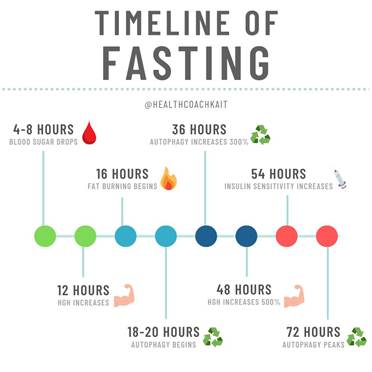
Research in chronobiology — the science of biological timing — shows that the body’s fat oxidation rate reaches its highest point between approximately 7:00 AM and 11:00 AM during a continued fasted state.
During this window:
- Insulin remains low
- Fat cells continue releasing stored energy
- The body relies more heavily on fat as fuel
- The respiratory exchange ratio shifts toward fat burning rather than carbohydrate burning
This means your body naturally enters a metabolic state that many people attempt to achieve through expensive diets and supplements.
3. The Cortisol Awakening Response & Morning Energy Mobilization
Shortly after waking, the body experiences a biological process called the cortisol awakening response. This natural hormonal rise helps mobilize energy reserves, increase alertness, and prepare the brain and muscles for activity.
During this period:
- The liver releases stored glucose
- Insulin sensitivity temporarily decreases
- Fat oxidation remains elevated
- Energy availability increases naturally
The body is essentially preparing for performance and repair — not immediate feeding.
4. Breakfast Culture & the Influence of Food Industry Marketing
The belief that “breakfast is the most important meal of the day” became popular in the early 1900s and was heavily promoted by cereal manufacturers and processed grain companies.
Modern randomized controlled trials reviewed in the British Medical Journal found no strong evidence that breakfast improves weight loss or metabolism. In many studies, breakfast eaters consumed more total calories per day without significant metabolic advantage.
This suggests that meal timing and metabolic context may be more important than simply eating early in the morning.
5. Hunger in the Morning Is Often Habit-Based
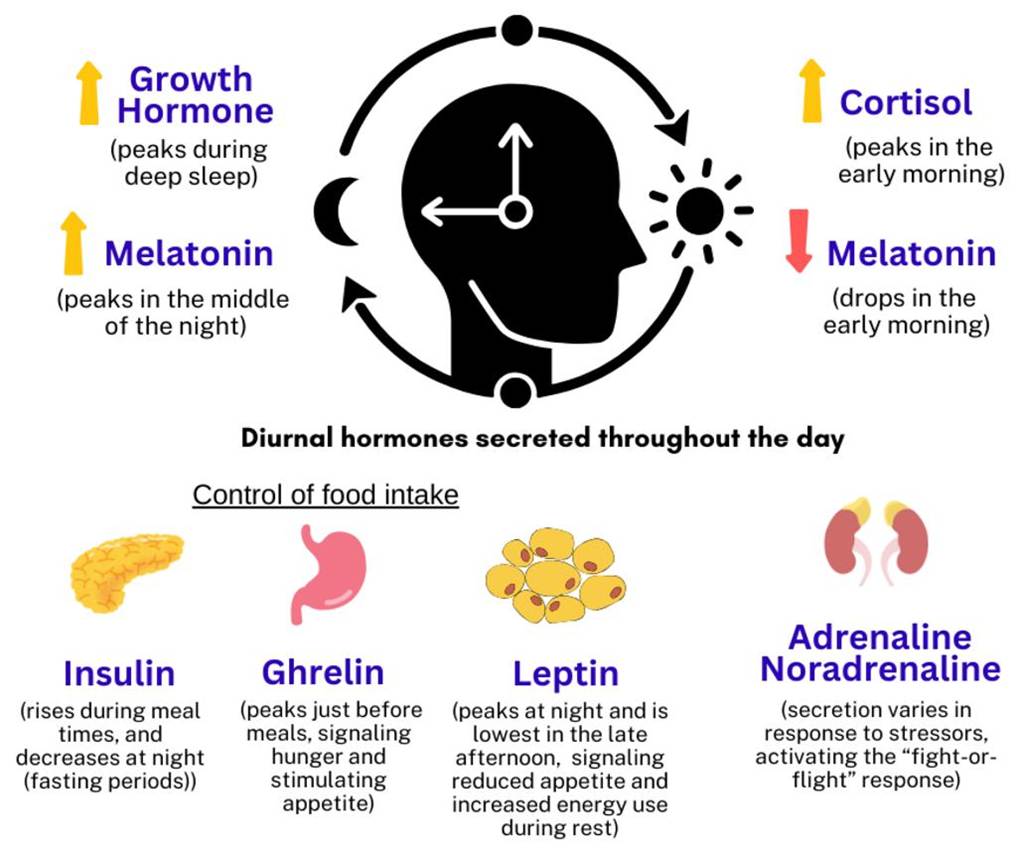
Morning hunger is frequently driven by ghrelin, the body’s primary hunger hormone. Ghrelin follows learned eating schedules and habitual meal timing rather than actual energy deficiency.
Research from chronobiology laboratories and the Salk Institute shows that ghrelin rhythms adapt to new meal schedules within approximately 3–7 days.
This explains why:
- The first few days of delayed eating feel difficult
- Hunger eventually shifts toward the new eating schedule
- Many intermittent fasting beginners struggle only during the adjustment period
6. Ketones, Mental Clarity & Growth Hormone Activation
As fasting continues into the late morning, liver glycogen stores gradually decline and the body begins producing mild physiological ketones. These ketones become an alternative fuel source for the brain.
Many people report:
- Increased focus
- Improved mental clarity
- Stable energy
- Reduced brain fog
during this fasted state.
At the same time, growth hormone secretion increases significantly during fasting periods. Growth hormone supports:
- Fat mobilization
- Lean muscle preservation
- Tissue repair
- Metabolic health
7. The Metabolic Crossover Point
Around the 12–14-hour fasting mark, the body reaches what researchers describe as the metabolic crossover point — the stage where fat becomes the dominant fuel source instead of glucose.
At this stage:
- Fat oxidation accelerates significantly
- Growth hormone remains elevated
- Insulin stays low
- Glycogen stores are reduced
- The body becomes highly efficient at using stored fat
These late-morning hours are considered the most metabolically powerful fat-burning period of the day.
8. The Benefits of Time-Restricted Eating
Research on time-restricted eating demonstrates improvements in:
- Insulin sensitivity
- Blood pressure
- Oxidative stress markers
- Appetite regulation
- Visceral fat reduction
even without reducing total calories.
Compressing food intake into a shorter daily eating window allows the body to spend more time in a fasted state where:
- Fat burning increases
- Cellular repair improves
- Metabolic flexibility develops
- Hormonal balance improves
9. Autophagy & Cellular Repair
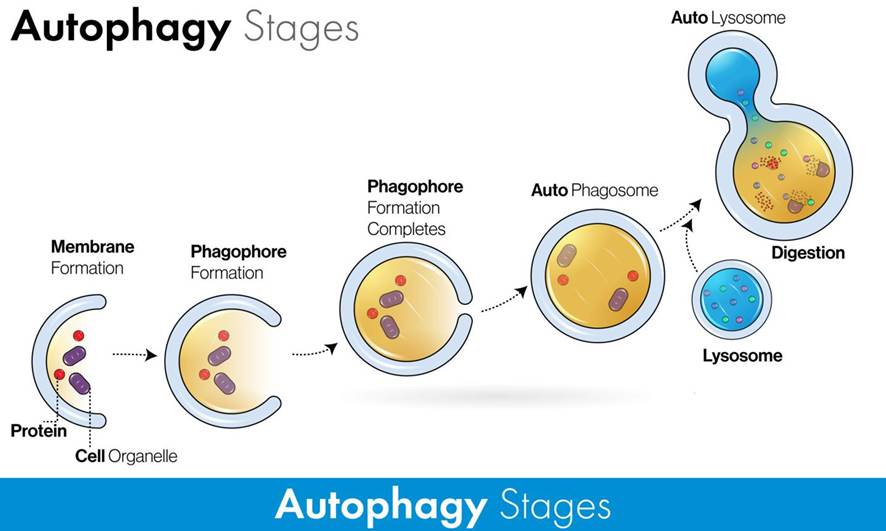
Extended fasting windows activate autophagy, the cellular recycling process discovered by Nobel Prize-winning research.
Autophagy helps:
- Remove damaged proteins
- Recycle dysfunctional cellular components
- Support cardiovascular health
- Improve cellular maintenance
- Potentially reduce age-related disease risks
Longer overnight fasting periods provide the body with more opportunity to perform these repair functions.
10. The Noon Reset Protocol
The uploaded document recommends a delayed first meal strategy called the “Noon Reset Protocol.”
Core Principles
1. Maintain a 14–16 Hour Fast
- Finish dinner by approximately 8 PM
- Delay the first meal until 10 AM–12 PM
- Maintain consistency daily
2. Build a High-Protein First Meal
- Consume 30+ grams of complete protein
- Aim for approximately 500–700 calories
- Support muscle preservation and metabolism
3. Perform Fasted Morning Movement
- Walking
- Easy cycling
- Light aerobic exercise
- Zone 2 movement for 20–30 minutes
This combination helps amplify fat oxidation and metabolic efficiency.
11. Common Mistakes That Break the Fast
Many people unintentionally interrupt the fasting state by consuming substances that stimulate insulin release.
Potential fasting disruptors include:
- Artificial sweeteners
- Flavored diet drinks
- Sweetened coffee beverages
- Protein powders
- Excess cream in coffee
The safest fasting beverages are:
- Plain water
- Black coffee
- Unsweetened sparkling water
Conclusion
The uploaded document explains that the timing of your first meal significantly influences:
- Fat oxidation
- Insulin regulation
- Growth hormone activity
- Cellular repair
- Visceral fat reduction
- Metabolic flexibility
Rather than immediately eating after waking, delaying the first meal until late morning or noon may allow the body to maximize its natural fat-burning and repair mechanisms. According to the discussed research, the late-morning fasting window represents one of the most biologically powerful metabolic periods of the day.