
Understanding the Hidden Mechanisms of Arterial Disease – The Science of Arterial Health & Natural Cardiovascular Restoration
Your arteries are not simple pipes. They are living, metabolically active tissues composed of multiple layers that regulate circulation, oxygen delivery, inflammation control, and vascular flexibility.
Most people only discover the importance of arterial health after a cardiovascular event occurs. Many individuals appear healthy on the surface — exercising occasionally, eating “reasonably well,” and maintaining manageable cholesterol levels — yet underlying vascular inflammation may already be silently progressing for years without symptoms.
The innermost arterial layer is called the endothelium, a delicate one-cell-thick lining responsible for producing nitric oxide, a signaling molecule that keeps arteries flexible and responsive. Nitric oxide relaxes blood vessels, improves circulation, lowers blood pressure, and prevents turbulent blood flow that contributes to arterial damage.
When endothelial cells become damaged, nitric oxide production declines. The arteries stiffen, blood pressure gradually rises, and inflammation silently develops. This dysfunction often occurs without pain because the endothelium contains no pain receptors. The body may show only subtle signs, such as fatigue or slightly elevated blood pressure, while vascular injury progresses unnoticed for years.
The Root Causes of Endothelial Damage
Several modern lifestyle factors contribute directly to endothelial dysfunction and arterial inflammation:
- Chronically elevated blood glucose
- Excess insulin levels and insulin resistance
- Sleep deprivation
- Cigarette smoke exposure
- Oxidative stress
- Chronic inflammation
- Highly processed refined carbohydrates
- Oxidized cooking oils and ultra-processed foods
Research cited in the uploaded document explains that insulin resistance and oxidative stress are among the primary drivers of endothelial injury. Oxidative stress occurs when reactive oxygen molecules accumulate faster than the body’s antioxidant defenses can neutralize them.
This internal biological stress slowly damages arterial walls from within, much like corrosion inside a structure that appears intact externally.
The Truth About LDL Cholesterol & Plaque Formation
Traditional cholesterol testing often measures LDL-C, which reflects the amount of cholesterol carried by LDL particles. However, the uploaded research explains that LDL particle number, density, oxidation status, and particle size are far more predictive of cardiovascular risk than LDL-C alone.
Small, dense LDL particles are especially dangerous because they can penetrate damaged endothelial tissue and become trapped within the arterial wall. Once trapped, these particles oxidize and trigger an immune response.
Macrophages — the body’s immune cleanup cells — attempt to remove oxidized LDL. However, when overwhelmed, these cells transform into foam cells, forming the early stages of arterial plaque.
This process initiates a destructive inflammatory cycle involving cytokines such as:
- Interleukin-6 (IL-6)
- Tumor Necrosis Factor Alpha (TNF-α)
- Chronic inflammatory signaling cascades
Over time, these inflammatory reactions destabilize arterial plaques and increase the risk of sudden plaque rupture and heart attack.
Why Many Heart Attacks Happen Suddenly
Contrary to popular belief, many heart attacks are not caused by fully blocked arteries. Research highlighted in the uploaded document explains that approximately 60–70% of acute heart attacks result from the rupture of unstable soft plaques rather than severe arterial narrowing.
These unstable plaques contain:
- Thin fibrous caps
- High inflammatory activity
- Soft lipid-rich cores
- Increased rupture potential
When the fibrous cap ruptures, clotting rapidly forms inside the artery, causing sudden blockage within minutes.
This explains why many cardiovascular events occur in individuals who previously appeared “healthy” or had only mild arterial narrowing on standard imaging.
Nutritional Strategies for Arterial Restoration
1. Marine Omega-3 Fatty Acids for Plaque Stability
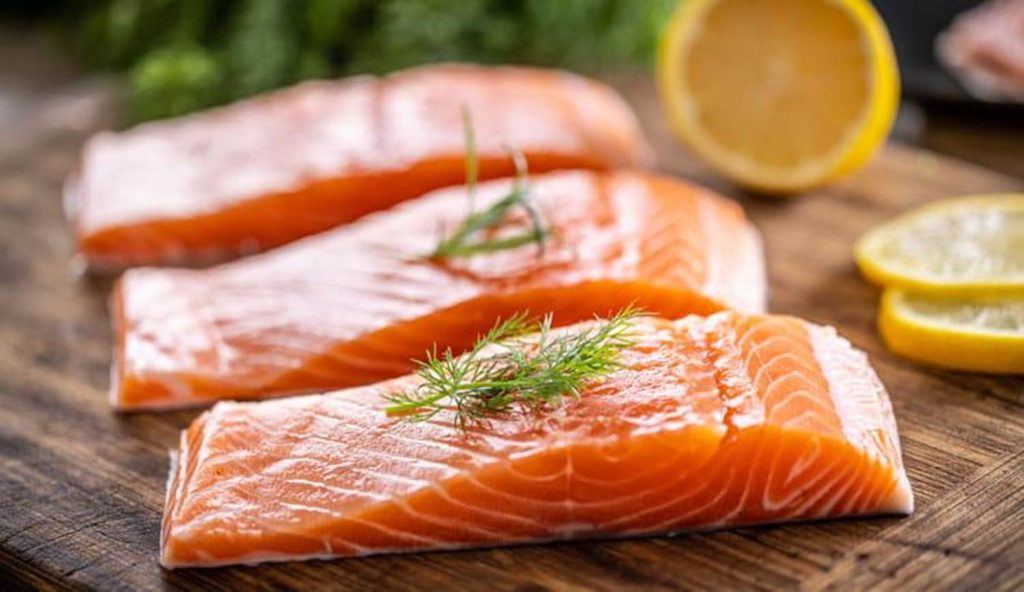
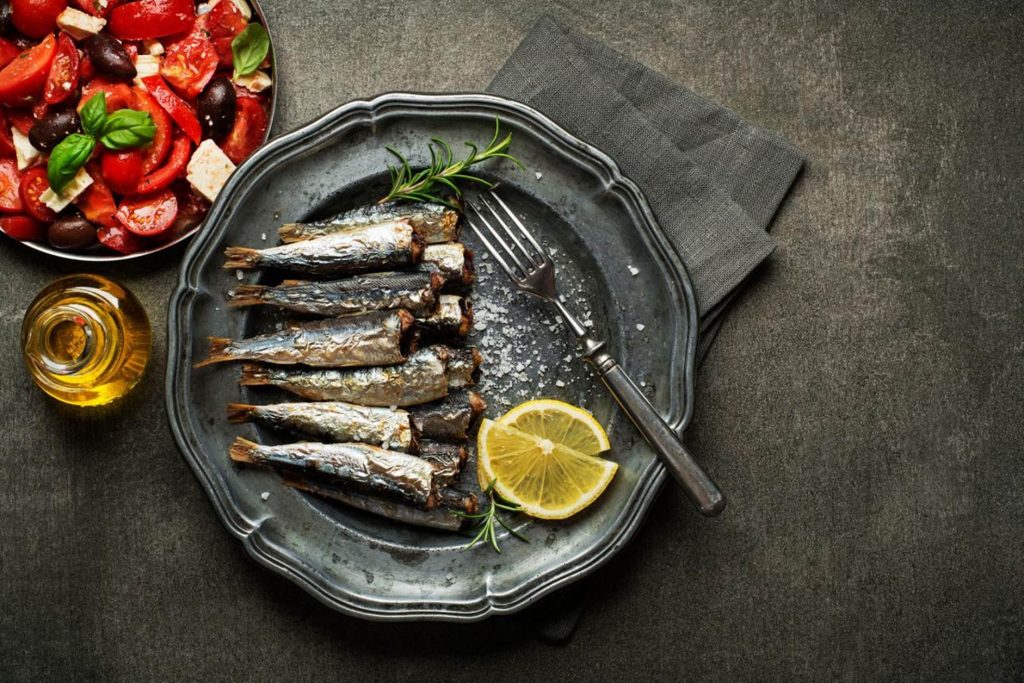
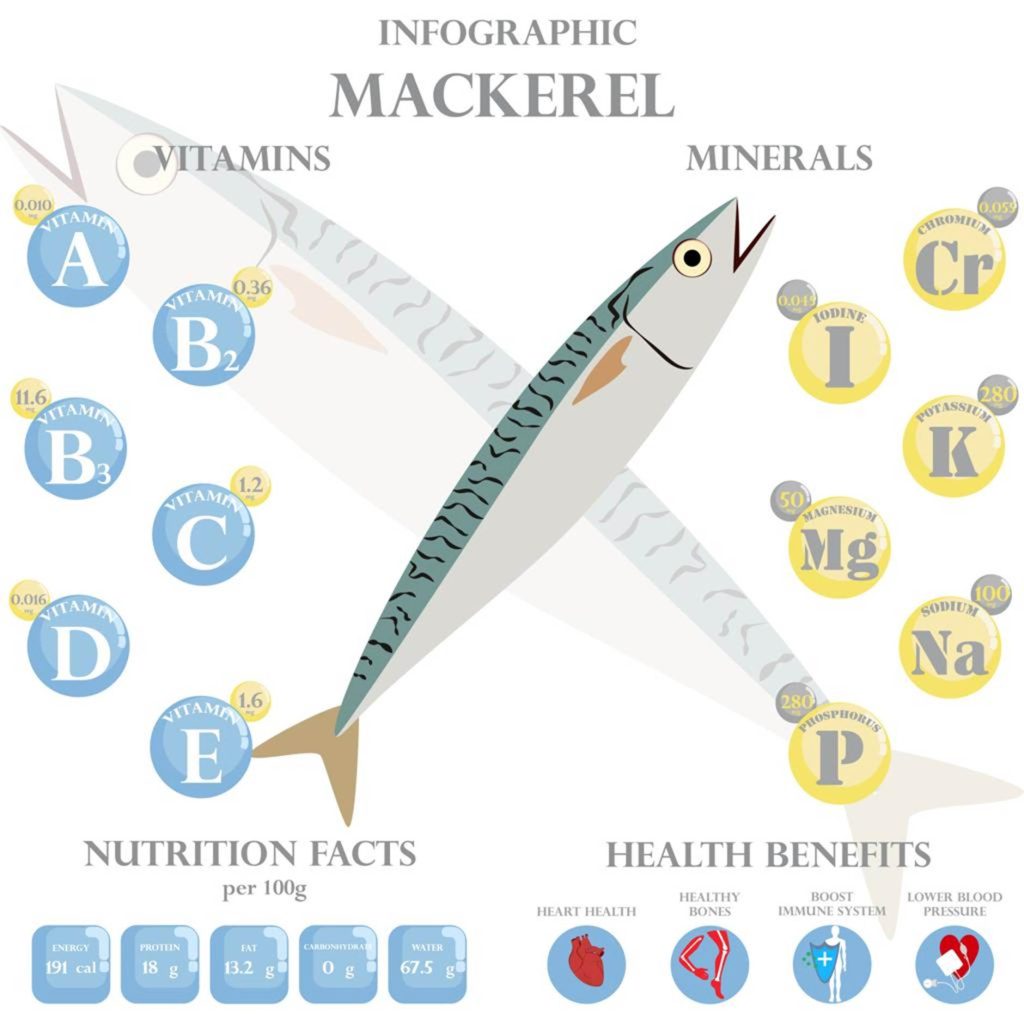
Wild-Caught Fatty Fish
6
The uploaded research strongly emphasizes the importance of marine omega-3 fatty acids — particularly EPA (Eicosapentaenoic Acid) — found in:
- Wild-caught salmon
- Sardines
- Mackerel
EPA helps:
- Reduce LDL oxidation
- Stabilize arterial plaque
- Reduce inflammation
- Improve endothelial health
- Lower cardiovascular event risk
The REDUCE-IT clinical trial demonstrated a 25% reduction in major cardiovascular events among participants receiving purified EPA supplementation.
Sardines are highlighted as one of the most nutrient-dense foods available due to their high concentrations of:
- EPA & DHA
- Vitamin D
- Calcium
- Selenium
- Vitamin B12
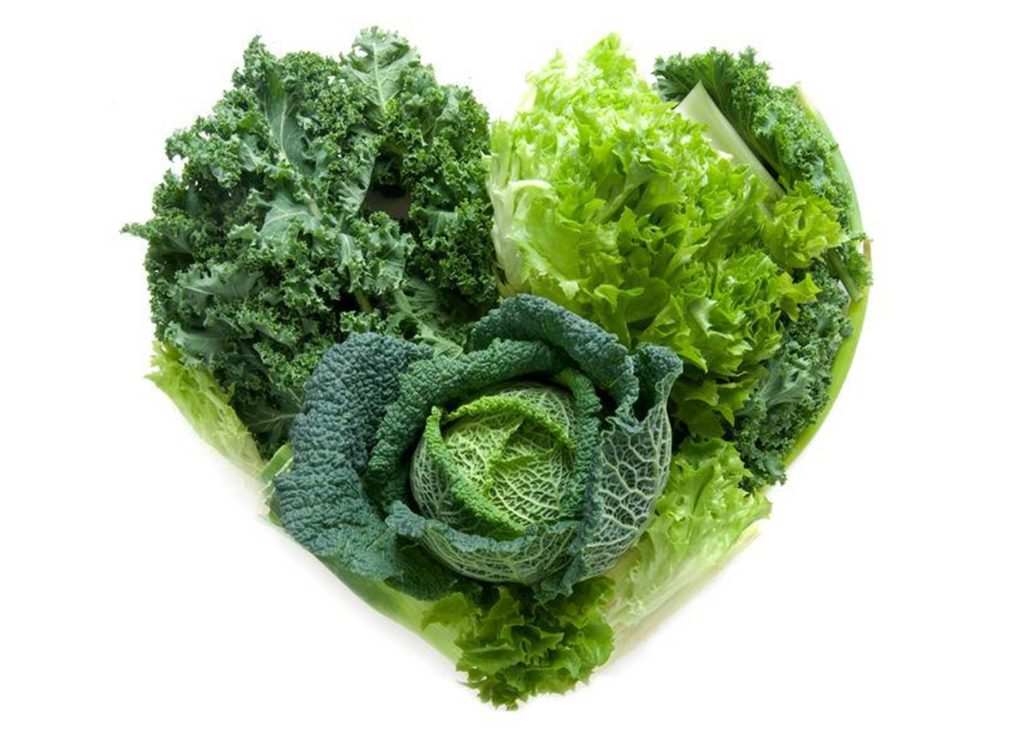
2. Dark Leafy Greens & Nitric Oxide Restoration
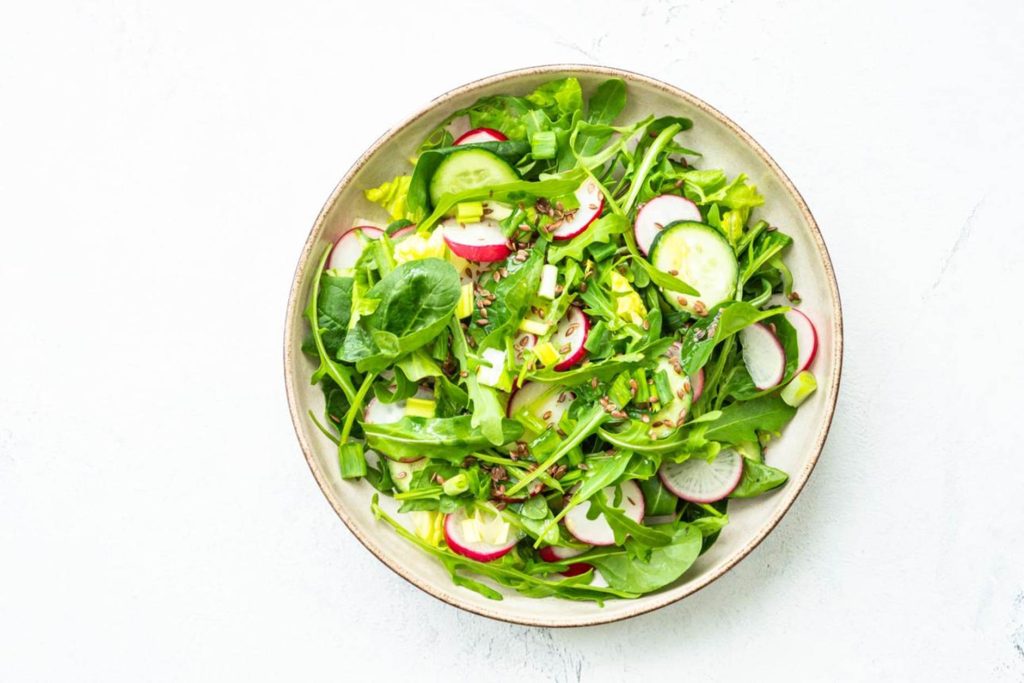
Nitric Oxide Supporting Foods

5
Dark leafy greens such as:
- Arugula
- Spinach
- Beet greens
contain high levels of dietary nitrates that help restore nitric oxide production naturally.
These nitrates are converted by the body into nitric oxide, improving:
- Arterial flexibility
- Blood flow
- Endothelial function
- Blood pressure regulation
Studies cited in the uploaded content showed measurable endothelial improvements within just two hours after consuming nitrate-rich vegetables.
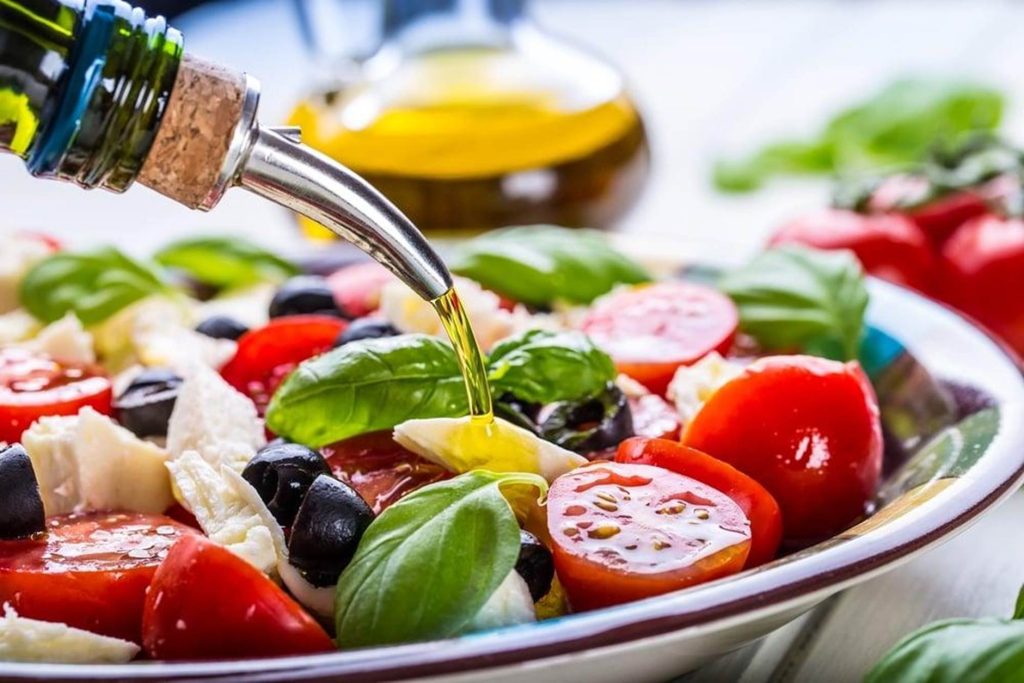
3. Extra Virgin Olive Oil & Anti-Inflammatory Protection
Mediterranean Cardiovascular Protection
7
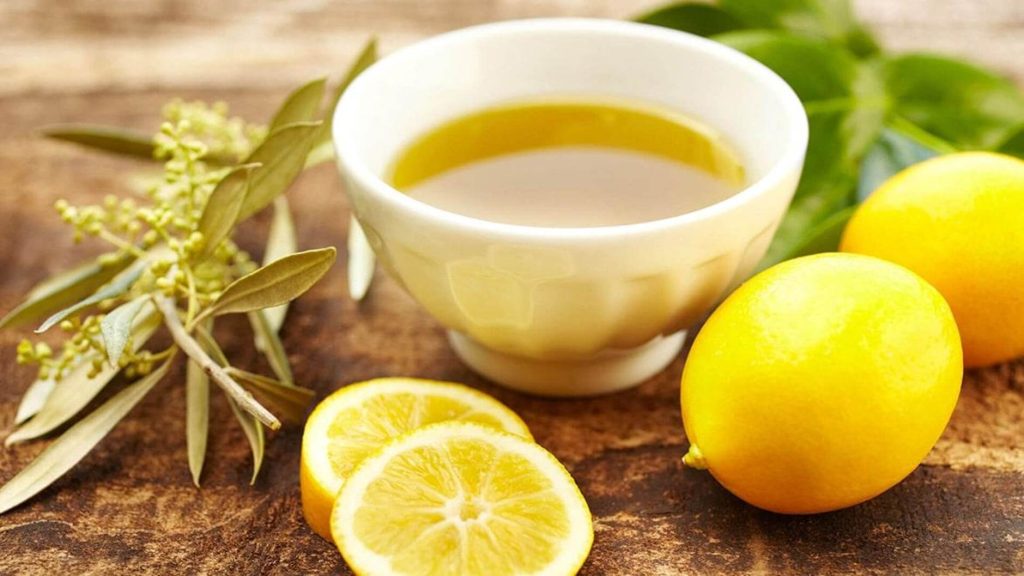
High-quality extra virgin olive oil contains oleocanthal, a natural anti-inflammatory compound that works similarly to ibuprofen by inhibiting inflammatory pathways.
The Mediterranean dietary model supplemented with olive oil demonstrated approximately a 30% reduction in major cardiovascular events in clinical studies.
Combining olive oil with lemon juice enhances antioxidant activity and improves nitric oxide conversion efficiency through vitamin C support.
Core Cardiovascular Restoration Principles
Daily Lifestyle Foundations
Nutrition
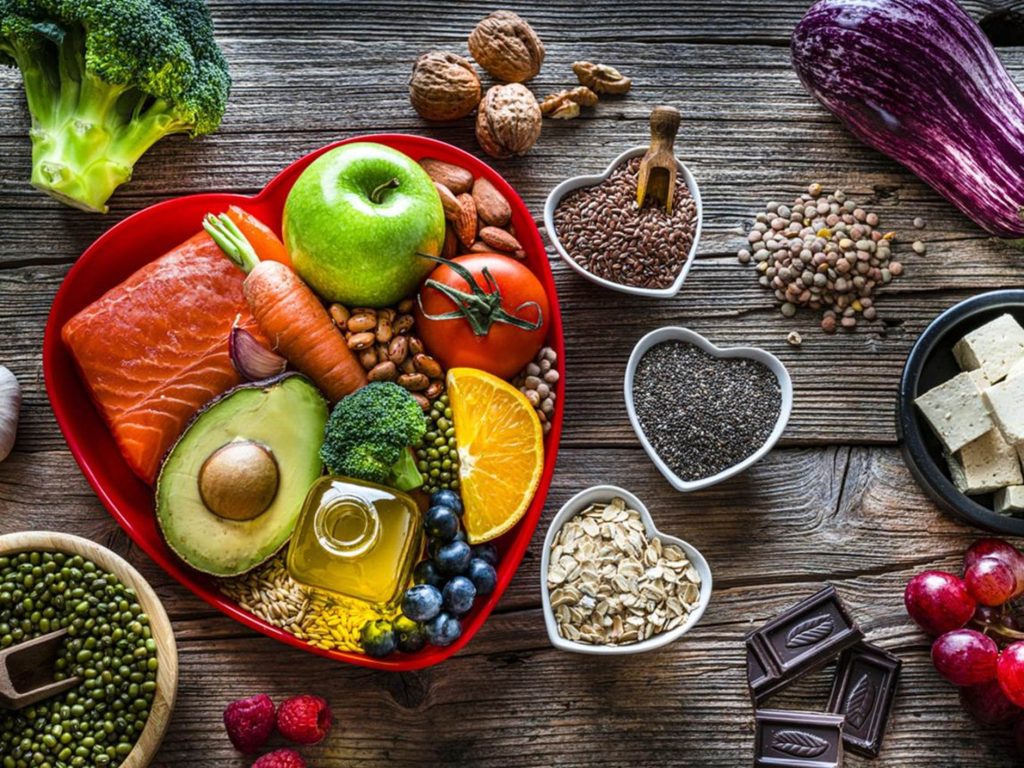
- Prioritize whole, minimally processed foods
- Reduce refined carbohydrates and sugars
- Avoid oxidized industrial seed oils
- Increase marine omega-3 intake
- Consume nitrate-rich vegetables daily
Metabolic Health
- Maintain stable blood glucose levels
- Improve insulin sensitivity
- Reduce chronic inflammation
Recovery & Sleep
- Prioritize restorative sleep
- Manage chronic stress
- Reduce systemic inflammatory burden
Physical Activity
- Daily movement and cardiovascular exercise
- Resistance training for metabolic function
- Improved circulation and vascular flexibility
Conclusion
The uploaded material presents a comprehensive explanation of how cardiovascular disease develops through endothelial dysfunction, oxidative stress, inflammation, LDL particle oxidation, foam cell formation, and unstable plaque development.
Rather than focusing solely on total cholesterol numbers, the discussion emphasizes understanding the deeper biological mechanisms behind arterial disease and using nutrition and lifestyle interventions to support:
- Endothelial restoration
- Nitric oxide production
- Plaque stabilization
- Inflammation reduction
- Metabolic health optimization
These principles align closely with modern research surrounding Mediterranean nutrition, anti-inflammatory dietary patterns, and long-term cardiovascular prevention strategies.