
Understanding the Cortisol Awakening Response, Fasting, and the Timing of Morning Coffee
Many people begin their mornings with black coffee while practicing intermittent fasting, believing it supports fat burning and mental clarity without breaking the fast. However, emerging research suggests that the timing of coffee consumption may significantly affect cortisol levels, insulin signaling, autophagy, and metabolic repair processes.
The issue is not necessarily coffee itself, but rather the biological timing collision between caffeine and the body’s natural hormonal rhythms immediately after waking.
1. The Cortisol Awakening Response
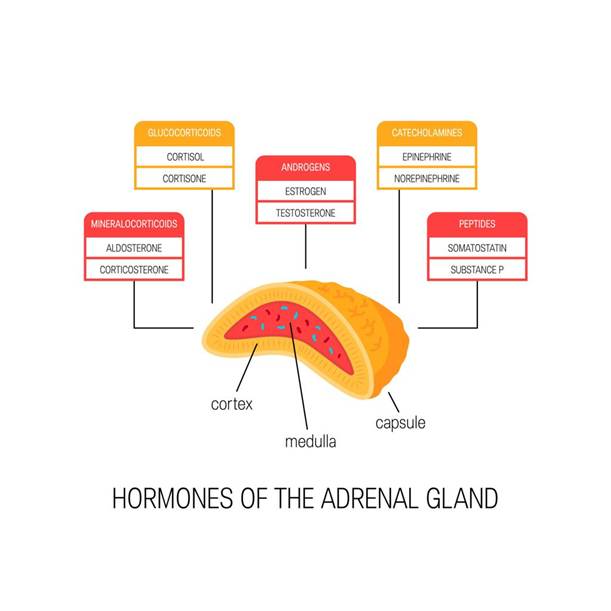
Within 30–45 minutes after waking, the body naturally experiences a rise in cortisol called the cortisol awakening response. This is a normal biological mechanism designed to increase alertness, mobilize energy, and prepare the body for daytime activity.
During this process:
- Blood pressure slightly increases
- Attention and alertness improve
- The liver begins producing glucose
- Energy reserves become mobilized
This glucose production process is known as gluconeogenesis, where the liver manufactures glucose from stored glycogen, amino acids, and fat precursors — even without eating food.
2. How Morning Cortisol Impacts Fasting
As glucose rises during the cortisol response, insulin may also increase modestly to regulate blood sugar levels. According to the uploaded document, insulin suppresses autophagy, the body’s cellular repair and recycling system.
Autophagy is responsible for:
- Removing damaged proteins
- Recycling dysfunctional cellular components
- Supporting cellular maintenance
- Promoting metabolic repair
When insulin rises, the body shifts from “repair mode” into “growth mode,” temporarily reducing autophagic activity.
3. Why Caffeine Timing Matters
Black coffee contains very few calories and generally has minimal direct insulin impact. However, caffeine is a pharmacologically active stimulant that can amplify cortisol production during the cortisol awakening window.
Research referenced in the uploaded material indicates that caffeine consumed immediately after waking can:
- Increase cortisol levels further
- Enhance gluconeogenesis
- Raise blood glucose levels
- Increase insulin signaling
- Suppress autophagy earlier than intended
This means that although black coffee may technically contain almost no calories, its hormonal effects may still alter the fasting physiology.
4. Adenosine, Energy & the Mid-Morning Crash
Caffeine works by blocking adenosine receptors in the brain. Adenosine is the chemical responsible for building sleep pressure and tiredness throughout the day.
When caffeine blocks these receptors immediately after waking:
- Alertness rises quickly
- Natural adenosine clearance is interrupted
- Adenosine continues accumulating behind the blockade
As caffeine levels decline later in the morning, the accumulated adenosine floods the receptors simultaneously, often causing:
- Mid-morning fatigue
- Brain fog
- Increased hunger
- Cravings for sugar or additional caffeine
5. Coffee Additives & Fasting Disruption
The document further explains that adding cream, milk, butter, MCT oil, or protein powders to coffee significantly changes the metabolic impact of the drink.
These additions may:
- Activate mTOR signaling
- Increase insulin responses
- Suppress autophagy
- Shift the body into a fed-state physiology
Protein-containing additives are especially influential because amino acids such as leucine strongly stimulate growth pathways associated with mTOR activation.
6. Understanding Autophagy & Cellular Maintenance
Autophagy becomes increasingly active during prolonged fasting windows. According to the uploaded document, meaningful autophagic activity generally rises between approximately 12–16 hours of metabolically clean fasting.
Benefits associated with autophagy include:
- Cellular cleanup
- Mitochondrial maintenance
- Cardiovascular support
- Brain health support
- Longevity-related cellular repair
Morning caffeine timing may shorten this fasting repair window if consumed too early during the cortisol awakening response.
7. Circadian Biology & Metabolic Timing
The uploaded material explains that organs such as the liver, pancreas, and adrenal glands follow circadian rhythms that regulate hormone sensitivity and metabolic behavior throughout the day.
Early morning is the period when:
- Cortisol sensitivity is highest
- Gluconeogenesis activity is elevated
- The liver is highly responsive
- Metabolic signaling becomes amplified
This circadian timing may intensify the effects of caffeine consumed immediately after waking.
8. Coffee Still Has Long-Term Health Benefits
Importantly, the uploaded document does not claim that coffee itself is harmful. In fact, long-term coffee consumption is associated with several positive metabolic outcomes.
Coffee contains beneficial compounds such as chlorogenic acids that may:
- Improve insulin sensitivity
- Support liver health
- Reduce type 2 diabetes risk
- Provide antioxidant benefits
The key issue discussed is timing rather than elimination.
9. The “Clear Protocol” for Morning Coffee Timing

The uploaded document introduces a strategy called the “Clear Protocol,” which focuses on optimizing coffee timing while preserving fasting benefits.
Core Recommendations
1. Delay Coffee for 90 Minutes After Waking
- Allow the cortisol awakening response to stabilize naturally
- Reduce cortisol amplification from caffeine
- Preserve the fasting repair window
2. Use Morning Light Exposure
- Get natural sunlight exposure within 10 minutes of waking
- Support circadian rhythm regulation
- Improve adenosine clearance naturally
3. Break the Fast Properly
- Begin meals with fiber and healthy fats
- Avoid leading immediately with concentrated protein
- Reduce excessive mTOR activation spikes
10. The Most Common Mistake
One of the most common fasting mistakes described in the document is consuming protein immediately after the delayed coffee window.
While delaying caffeine may protect the cortisol response, introducing protein too early can rapidly activate mTOR signaling and end the fasting repair period prematurely.
The document emphasizes that:
- Coffee timing
- Fasting duration
- Meal timing
- Protein timing
Conclusion
The uploaded material explains that the issue with morning coffee is not necessarily the beverage itself, but the timing of caffeine relative to the body’s natural cortisol awakening response and fasting physiology.
According to the discussed mechanisms:
- Immediate morning caffeine may amplify cortisol
- Elevated cortisol may increase gluconeogenesis and insulin signaling
- Early insulin signaling may reduce autophagy duration
- Delaying caffeine may better preserve fasting repair processes
At the same time, long-term coffee consumption still appears beneficial for metabolic health when used strategically and in alignment with circadian biology.