
Understanding the Science Behind Fasted Walking, Insulin & Visceral Fat Burning
Many people walk every morning, track their steps carefully, and stay physically active for months — yet the stubborn fat around their abdomen barely changes. The reason is that visceral belly fat follows a completely different biological system compared to ordinary body fat under the skin.
The dangerous fat surrounding the liver, intestines, and pancreas is called visceral fat. Unlike subcutaneous fat, visceral fat behaves like an active endocrine organ that continuously releases inflammatory chemicals associated with:
- Heart disease
- Type 2 diabetes
- Fatty liver disease
- Stroke
- Metabolic syndrome
- Accelerated aging
Understanding how this fat responds to hormones — especially insulin — changes how walking affects fat burning completely.
1. Why Belly Fat Behaves Differently
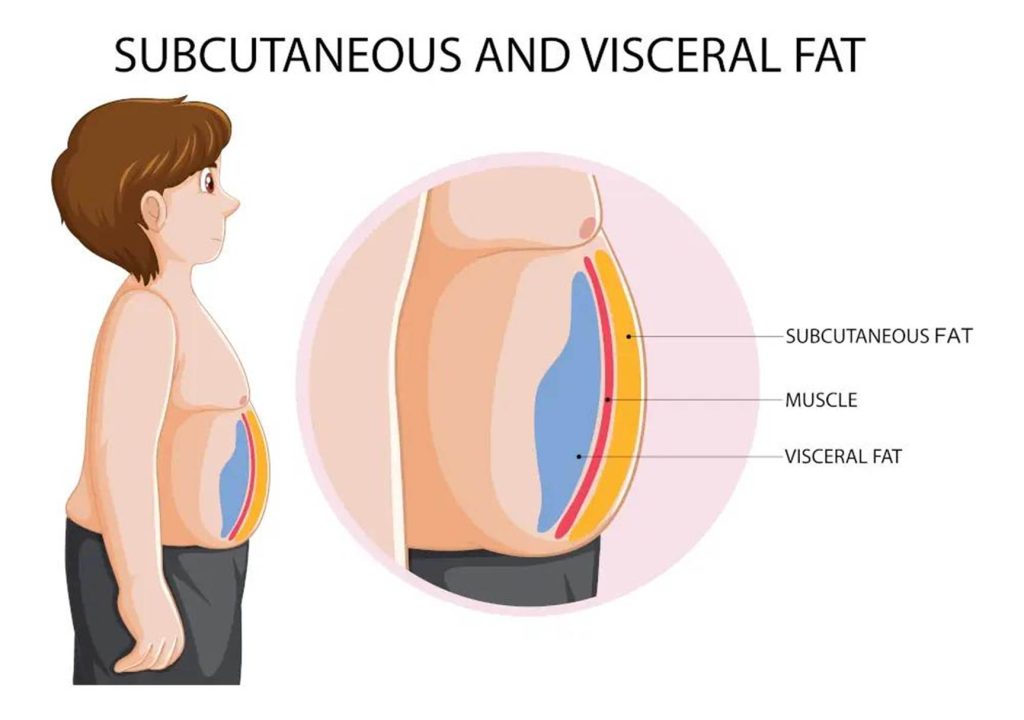
Most people think belly fat is simply the soft layer beneath the skin. However, the more dangerous form is deep visceral fat stored around internal organs.
This fat continuously releases inflammatory compounds such as:
- Interleukin-6 (IL-6)
- Tumor Necrosis Factor Alpha (TNF-α)
These inflammatory signals damage arteries, worsen insulin resistance, and accelerate cellular aging.
Visceral fat also drains directly into the liver through the portal vein, strongly contributing to fatty liver disease and metabolic dysfunction.
2. The Hidden Hormone Blocking Fat Burning

The primary hormone controlling fat access is insulin. According to the uploaded research, insulin acts like a biological “lock” that prevents stored fat from being released.
When insulin is elevated:
- Fat cells remain locked
- Hormone-sensitive lipase (HSL) becomes suppressed
- Stored triglycerides cannot be released efficiently
Even moderate insulin elevations after eating may block fat mobilization for several hours.
This explains why many people walk after breakfast yet fail to access deeply stored belly fat effectively.
3. Fasted Walking Opens the Fat-Burning Window
After approximately 12 hours of fasting, insulin levels decline significantly. Once insulin drops low enough, hormone-sensitive lipase becomes active again, allowing stored fat to be released into circulation.
During a fasted morning walk:
- Insulin remains low
- Fat cells unlock
- Adrenaline activates fat release
- Fatty acids become available as fuel
- Visceral fat becomes highly accessible
Research cited in the uploaded document found that fasted exercise may burn approximately twice as much stored body fat compared to the same exercise performed after eating breakfast.
4. Why Morning Hormones Matter
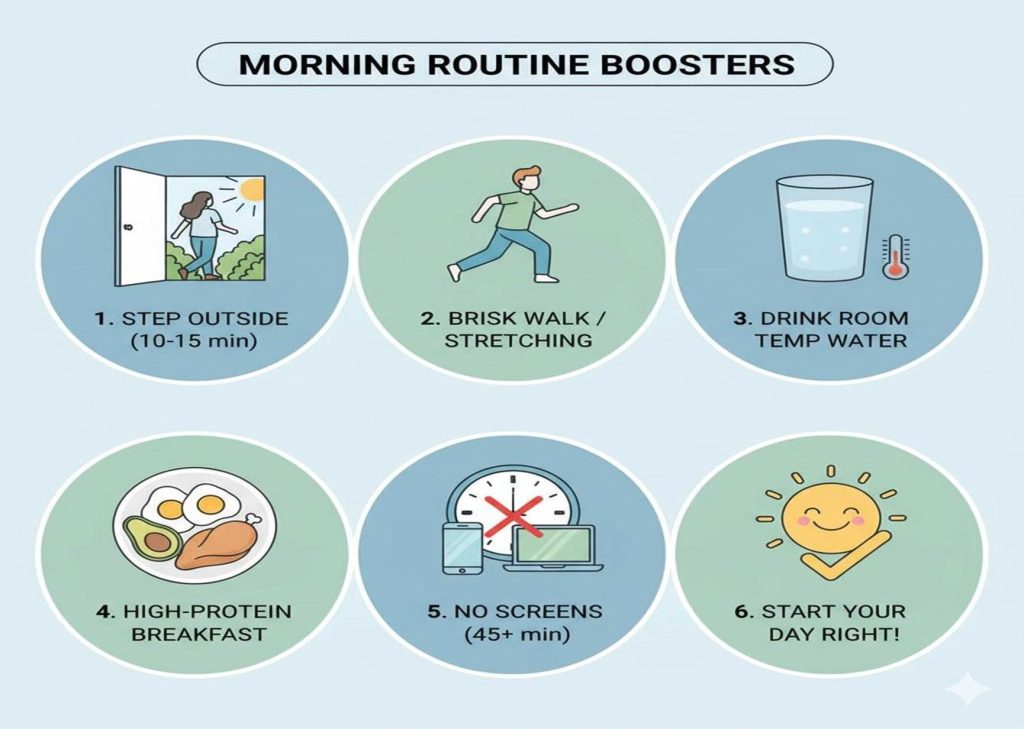
The body naturally enters a powerful fat-burning state in the morning due to several hormonal changes:
- Low insulin
- Elevated cortisol awakening response
- Residual overnight growth hormone
- Partially depleted glycogen stores
Visceral fat contains a high density of beta-adrenergic receptors, making it especially responsive to adrenaline and cortisol signals during fasted exercise.
This creates one of the most powerful fat-mobilization periods of the entire day.
5. The Role of AMPK — The Metabolic Switch
During fasted walking, the muscles activate a molecule called AMPK (adenosine monophosphate-activated protein kinase).
AMPK functions as the body’s low-energy sensor and triggers:
- Increased fat oxidation
- Improved mitochondrial activity
- Greater fatty acid transport
- Enhanced energy burning
Fasting activates AMPK. Exercise also activates AMPK. Combining both simultaneously amplifies the metabolic effect significantly.
6. The “Vault Protocol” Explained
The uploaded document introduces a structured approach called the “Vault Protocol.”
Core Principles
1. Maintain a 12–14 Hour Fast
- Stop eating earlier in the evening
- Walk before breakfast
- Allow insulin to return to baseline
2. Walk at Moderate Intensity
- Fast enough to feel slightly breathless
- Slow enough to maintain conversation
- Approximately 2.5–3 miles per hour
3. Delay Eating After the Walk
- Wait approximately 30 minutes before eating
- Extend post-walk fat oxidation
- Preserve AMPK activity longer
This combination creates a metabolic environment highly favorable for visceral fat mobilization.
7. Why Immediate Breakfast Stops the Process
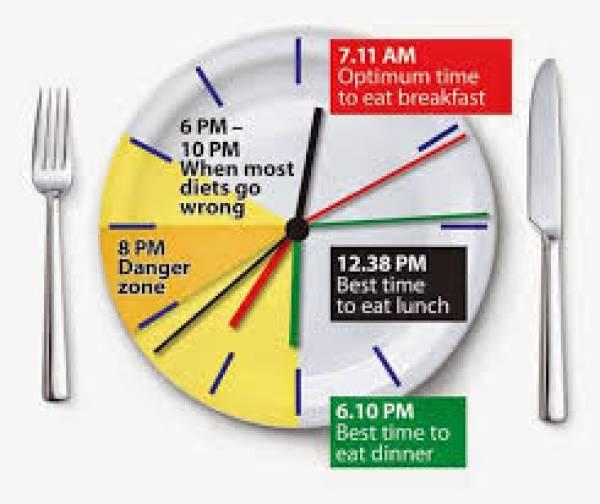
Eating immediately after waking — especially refined carbohydrates or sugary foods — rapidly raises insulin levels.
This quickly:
- Suppresses hormone-sensitive lipase
- Stops fat mobilization
- Reduces AMPK activity
- Redirects fatty acids back into storage
The fat-burning window may collapse within 20–30 minutes after eating.
8. The Importance of Protein After Walking
When breaking the fast, the document recommends meals containing at least 30 grams of complete protein.
Examples include:
- Eggs with vegetables
- Greek yogurt with nuts
- Fish and vegetables
- Cottage cheese with berries
Protein supports:
- Muscle preservation
- Satiety hormones
- Fat oxidation continues
- Healthy aging metabolism
High-protein meals also produce smaller insulin spikes compared to refined carbohydrates.
9. Why Walking Becomes More Important After 50

After age 50, insulin sensitivity often declines. This means insulin remains elevated longer after meals, making fat access more difficult.
Fasted walking helps improve:
- GLUT4 glucose transport activity
- Insulin sensitivity
- Fat oxidation
- Adiponectin production
- Metabolic flexibility
The body gradually becomes more efficient at burning fat over time.
10. Consistency Changes the Entire Metabolic System

One of the most important points in the uploaded material is that consistent fasted walking changes the hormonal environment over weeks and months.
Over time, regular fasted walking may help:
- Lower fasting insulin
- Increase adiponectin
- Improve fat oxidation
- Reduce waist circumference
- Improve cardiovascular markers
- Reduce inflammation
This creates a positive metabolic cycle rather than the self-reinforcing loop of insulin resistance and visceral fat accumulation.
Healthy Walking Guidelines for Belly Fat Reduction
Effective Morning Walking Strategy
Fast Overnight
- Minimum 12 hours
- 14 hours may be better for insulin resistance
Walk Before Breakfast
- Moderate pace
- Approximately 30 minutes
Stay Hydrated
- Water before the walk
- Avoid sugary beverages
Delay Breakfast Briefly
- Wait approximately 30 minutes post-walk
Prioritize Protein
- Minimum 30 grams complete protein
Conclusion
The uploaded material explains that walking alone is not the entire solution for visceral belly fat reduction. The true key lies in the hormonal environment surrounding the walk — especially insulin levels, fasting duration, and meal timing.
Fasted morning walking may create one of the most biologically favorable conditions for:
- Visceral fat mobilization
- Improved insulin sensitivity
- Increased fat oxidation
- Enhanced metabolic flexibility
- Better cardiovascular health
Rather than simply counting steps, understanding how fasting, hormones, and metabolism interact may significantly improve the effectiveness of walking for long-term fat loss and healthy aging.